
Legal Blog Articles & Helpful Information
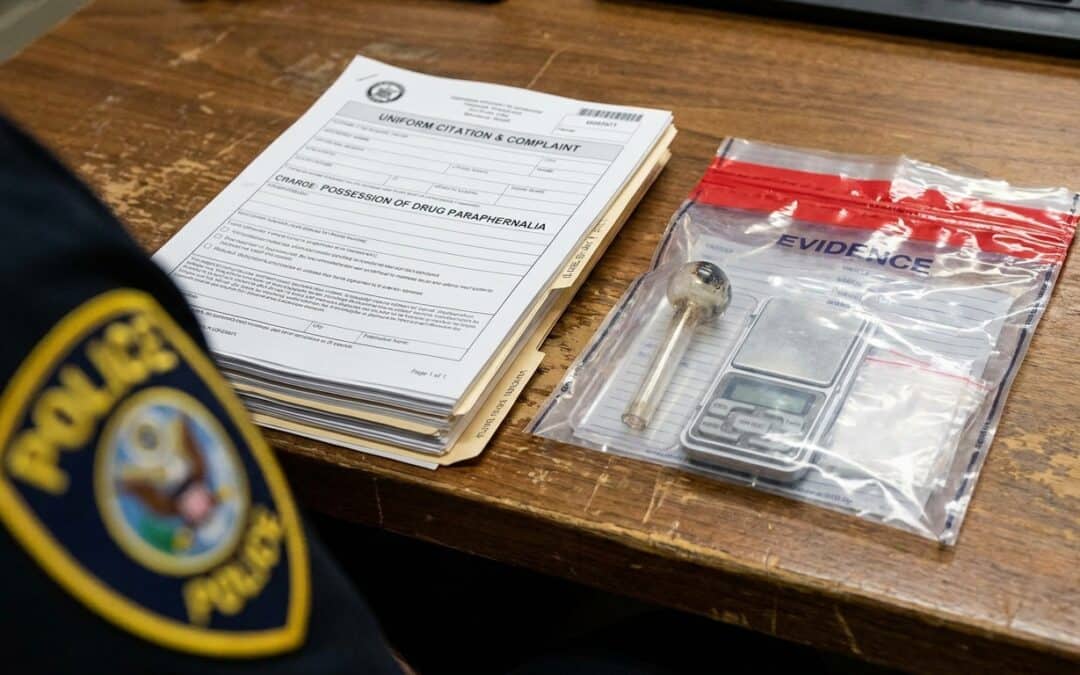
What an Arizona Drug Paraphernalia Charge Under ARS 13-3415 Can Mean
A drug paraphernalia charge in Arizona can involve an ordinary object that police believe was connected to illegal drug activity. The object alone may not decide the case. Its condition, location, ownership, and suspected use can all matter. As of 2026, courts must assess the evidence and circumstances of each case.

Money Laundering Charges in Arizona: What ARS 13-2317 Means for Defendants
A money laundering investigation may also extend well beyond moving cash. Arizona law defines a transaction broadly enough to include purchases, sales, loans, gifts, deposits, withdrawals, transfers between accounts, currency exchanges, investments, and many other forms of moving or disposing of property. A.R.S. § 13-2317 can also apply to certain conduct involving false information, financial reporting requirements, money transmitters, forged documents, and transactions connected with racketeering.

Theft Juvenile Crime in Arizona: Consequences and Rehabilitation Options
A juvenile crime involving theft typically includes actions such as shoplifting, taking property without permission, or possessing stolen items. Under Arizona law, theft can be charged based on the value of the property and the circumstances surrounding the offense, particularly in certain offenses involving juvenile arrests. Even a minor incident can still lead to a juvenile case.
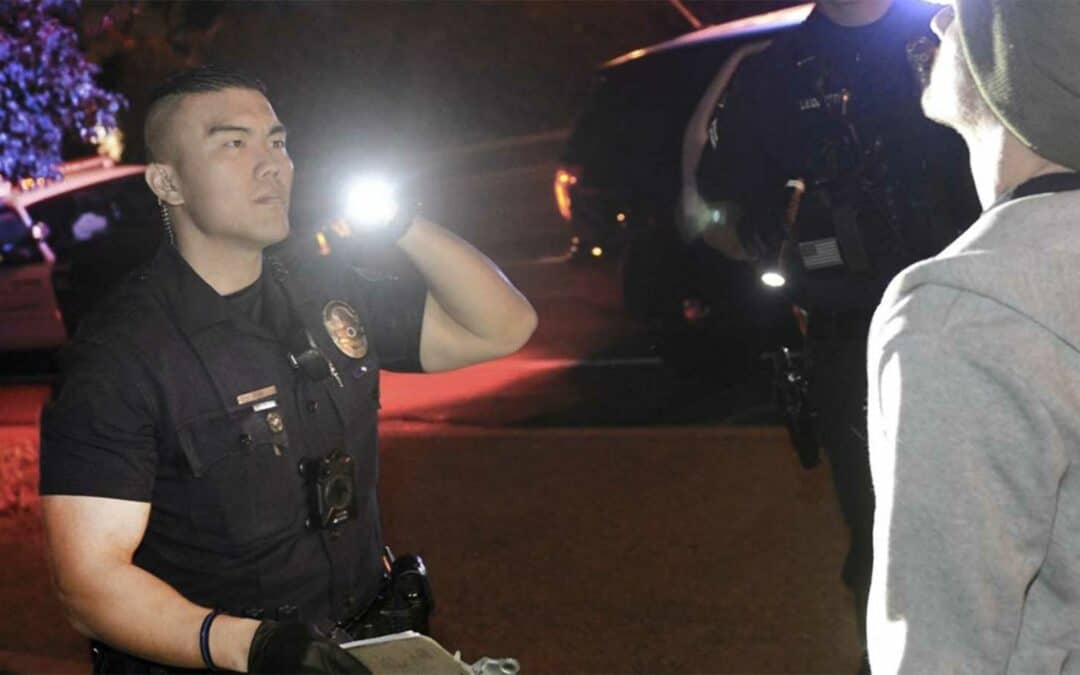
Horizontal Gaze Nystagmus Test, or HGN Test, Used in a DUI
If you are pulled over for DUI in Arizona, and an officer suspects that you may have been drinking, chances are the officer will administer the Horizontal Gaze Nystagmus test, or “HGN test”.
Mainly referred to by its acronym, the HGN test is part of a battery of three standardized field sobriety tests used by police officers in Arizona and throughout the United States for DUI investigations.
Keep reading below to understand your rights and how our goal is to get your DUI dismissed.

Arizona Forgery Laws Under ARS 13-2002
Forgery in Arizona is governed by ARS 13-2002, which gives prosecutors broad authority to pursue charges when they believe someone acted with the intent to defraud. These cases often involve financial records, identification documents, checks, contracts, or electronic records. In Phoenix and across Maricopa and Pinal Counties, forgery cases are often charged alongside other fraud-related crimes, which can significantly increase the stakes in criminal law.

Unlawful Discharge of a Firearm in Arizona: Felony Penalties Under ARS 13-3107
Firearms are widely owned across the state, and the lawful use of a firearm in Arizona includes activities such as hunting, target shooting, and personal protection. Even so, strict rules apply to when and where a firearm may be used. One of the most important laws in this area addresses the discharge of a weapon within populated areas.

Religious Upbringing Clauses in Arizona Child Custody Orders: Mixed Faith Parenting, Holidays, and What Courts Usually Avoid Ordering
Parents going through a child custody case in Arizona are often surprised when religious issues come up.When one parent practices a faith, and the other does not, or when parents follow different religions, questions about a child’s religious upbringing can quickly become a serious source of conflict.These disagreements may involve holidays, religious school choices, attendance at religious services, or whether a child should be introduced to one belief system over another.

Drive-By Shooting Charges in Arizona: ARS 13-1209 and Potential Prison Sentences
Drive-by shooting charges are among the most serious firearm-related felony offenses prosecuted under criminal law in Arizona. A drive-by shooting in Arizona is treated as a violent and dangerous offense because it involves firing a deadly weapon from a moving or occupied vehicle, often placing the public at risk. When police believe someone intentionally shot the gun from a vehicle toward a person, another occupied motor vehicle, or an “occupied structure,” the case escalates immediately into a major felony investigation.

New Evidence Shows a Minor Was Not Read Miranda Rights: How This Discovery Can Transform an Arizona Juvenile Defense Case
Parents expect that if police question their child, certain protections will be followed. One of the most important is the requirement that law enforcement read the Miranda rights before custodial questioning begins. But in real situations, especially those involving younger teenagers, officers sometimes proceed without providing the required warning. When that oversight goes unnoticed early in a criminal case, the problem may not come to light until the juvenile court process is already underway.

Questions to Ask a Divorce Attorney When Filing for an Arizona Divorce or Separation
Beginning the divorce process can feel unfamiliar, and many people wonder what they should talk about during their first meeting with an attorney. A helpful way to prepare is to bring a thoughtful list of questions to understand how Arizona divorce law works, what to expect in your divorce case, and how the attorney can guide you through the divorce process. A good conversation at the start helps you feel informed and supported as you move forward.