
Legal Blog Articles & Helpful Information

Criminal Damage to Property vs. Vandalism in Arizona: Understanding ARS 13-1602
In Arizona, being charged with criminal damage can lead to serious consequences. Depending on the value of the property damaged, this offense can be classified as either a misdemeanor or a felony. Understanding how the Arizona Revised Statutes define and punish criminal damage in Arizona is critical for anyone facing criminal charges of this nature.

Arizona Insurance Fraud: How Prosecutors Build a Felony Case Under ARS 20-463
Insurance fraud is one of the most aggressively investigated white-collar crime allegations in the state of Arizona. Many people are surprised to learn how quickly a simple insurance claim can turn into a criminal case, especially when investigators believe false information was submitted. What may seem like a minor exaggeration can lead to serious legal consequences.
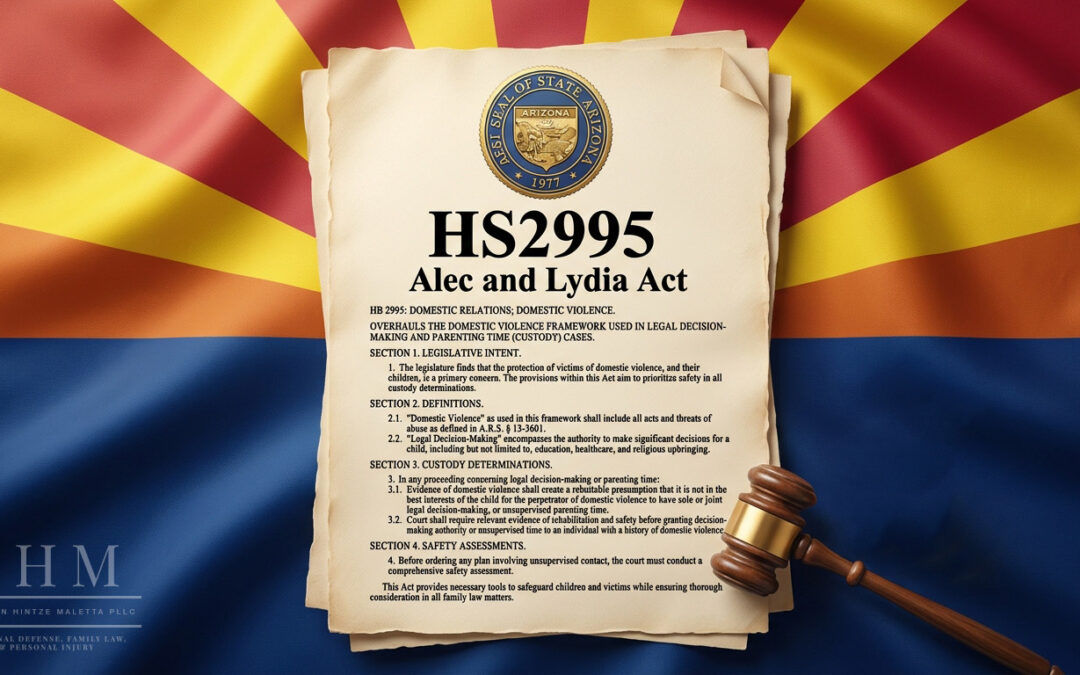
How HB2995 Arizona May Affect Custody Cases Involving Domestic Violence
HB2995 Arizona is commonly associated with Arizona’s proposed Alec and Lydia Act, a reform effort focused on court decisions involving domestic violence, child safety, and parenting time. As of 2026, families should understand both the public discussion around HB2995 and the statutes that courts currently apply.

Protecting Privacy and Confidentiality in Arizona Family Court
Matters involving family law are often deeply personal. When disputes reach the courtroom, the details that become part of the public record can involve sensitive personal information, from financial records to the intimate details of parenting disagreements. In Arizona, the courts recognize that while transparency is essential, certain situations require privacy measures to protect the well-being of those involved, especially children and survivors of abuse.

Use Of A Credit Card Fraud and Identity Theft Under ARS 13-2105: Arizona’s Felony Penalties
Credit card fraud is one of the most common white-collar crimes prosecuted in Arizona. From unauthorized online purchases to the use of stolen credit card information, these offenses can lead to serious criminal charges under Arizona Revised Statutes § 13-2105. What may seem like a minor or misunderstood financial mistake can quickly escalate into a felony case carrying prison time, fines, and a lasting criminal record.

Attorney Lauren Bostick Featured in SO Scottsdale Magazine
From negotiating a divorce to dealing with child custody and orders of protection, she tailors every step to her client’s needs and priorities. Lauren Bostick makes it her mission to ensure that her clients are thoroughly prepared. She equips them with clear legal advice, practical next steps, a realistic timetable and a strong understanding of their case at hand so that the clients can make grounded decisions moving forward.

Can Other Relatives Obtain Child Custody in Arizona?
When most people hear “child custody,” they picture a custody case involving a biological parent. But in the state of Arizona, the law recognizes that sometimes other relatives may be better suited to care for a child. When a parent cannot provide proper care, a grandparent, aunt, uncle, adult sibling, or another relative may petition the court to obtain custody of a child.

Felony Interference with Judicial Proceedings: ARS 13-2810
When someone is charged with interference with judicial proceedings in Arizona, they often have no idea how serious the consequences can become—especially when the charge is filed as a felony. These cases typically involve allegations of violating a court order, refusing to comply with a legal subpoena, or disrupting courtroom activities. What may begin as a simple misunderstanding can quickly escalate into a criminal offense under Arizona law, particularly if the court believes the interference was deliberate and part of a larger criminal matter.

173 Arrests – Underage Drinking and Fake ID Charges at a Tempe Bar
On Thursday, April 24, 2025, a major joint operation between the Tempe Police Department and the Arizona Department of Liquor Licenses and Control (DLLC) resulted in 173 arrests for underage drinking and possession of fake IDs at a bar near McClintock Drive and Apache Boulevard.

Understanding Mens Rea in Criminal Law | CHM Law
Our experienced defense attorneys, including David Maletta, carefully examine every aspect of a case, especially the defendant’s state of mind. Mens rea is one of the most important legal principles in determining guilt, and challenging the prosecution’s evidence on intent can be a powerful defense strategy.